



As animal lovers, we often marvel at the unique ways our furry companions bring joy, comfort, and connection to our lives. If you’ve ever wondered whether your dog could share this gift with others as a therapy dog, you’re not alone!
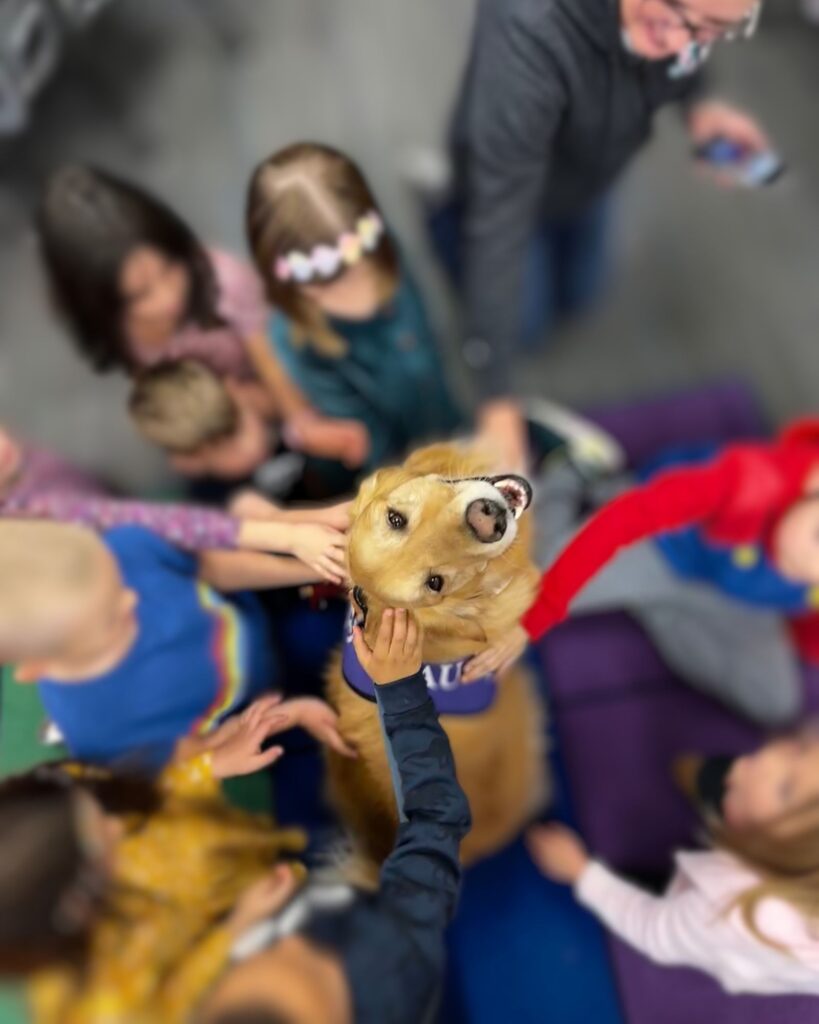
We provide pet therapy support to kids and teens in schools, shelters, behavioral health centers, and beyond; all thanks to the incredible therapy pets belonging to our volunteers. But how do you know if your dog has what it takes to excel in this special role too?
What Makes a Good Therapy Dog? Five Qualities to Look For
Any breed of dog can make a good therapy dog as long as they have a few key qualities:
1. A Friendly and Calm Demeanor
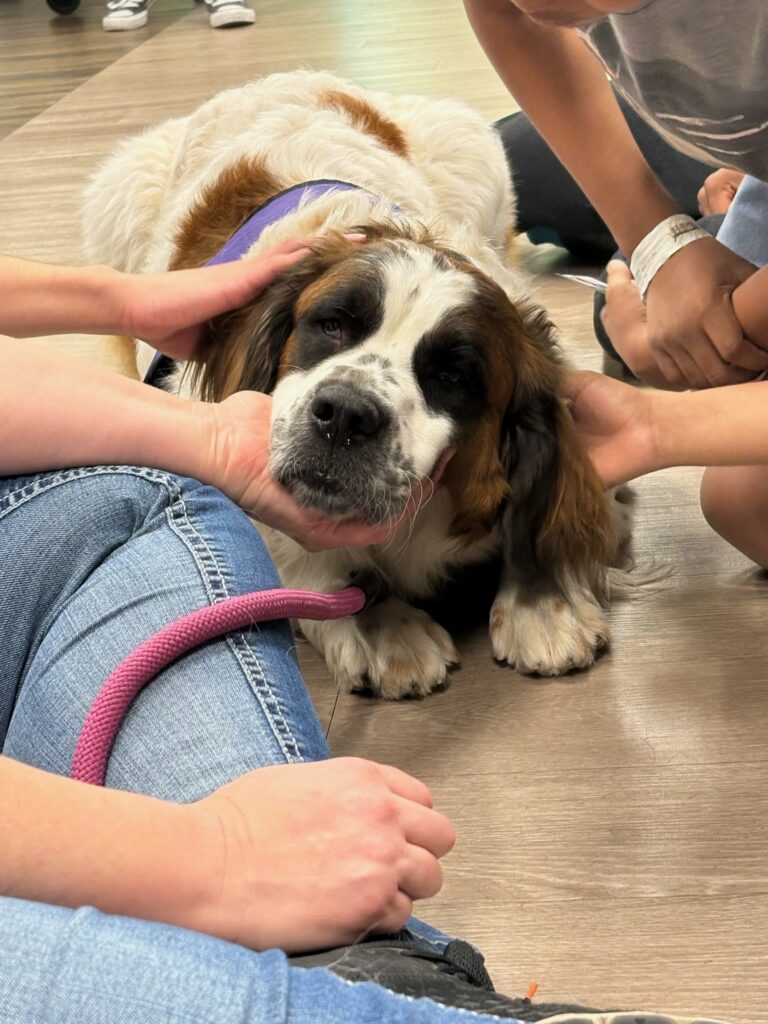
Therapy dogs must be sociable and enjoy interacting with people of all ages and backgrounds. A calm demeanor is essential for handling any unpredictable situations that can arise in settings like schools, transitional housing, and behavioral health centers. If your dog is happy to greet new people and can stay relaxed in unfamiliar environments, they may be perfect for therapy work!
2. Good Manners and Basic Obedience
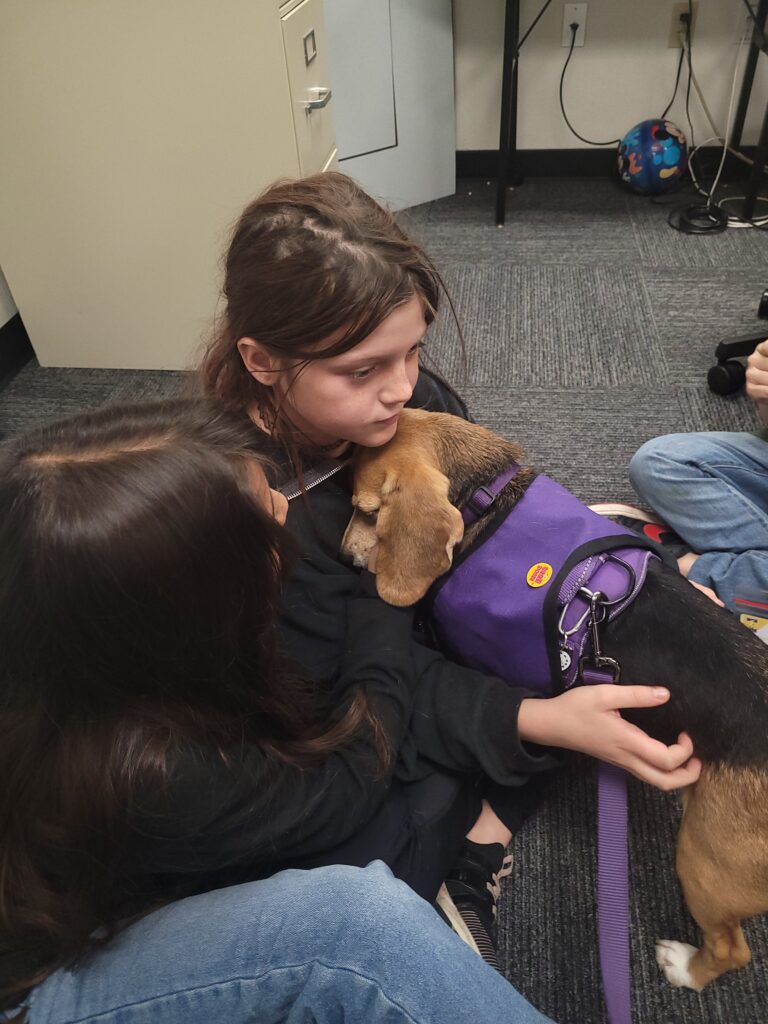
Your dog should be well-trained, responding reliably to basic commands such as “sit” and able to walk politely on a leash. Therapy dogs should also refrain from jumping up on people or licking them. If your dog has a great personality but their manners could use a little tune up, taking basic obedience or therapy dog prep classes could help get them ready for the role. Advanced tricks or tasks are not required (although they can be a fun outlet for higher-energy dogs!).
3. Confidence and Adaptability
Pet therapy work often takes dogs into busy or unusual environments, such as classrooms full of energetic children. While some programs are quieter and calmer in nature, the settings themselves can be filled with unpredictable distractions. Dogs that adapt well to new surroundings, aren’t frightened or overly stressed by sudden noises or movement, and are quick to recover when they do get startled are more likely to thrive as therapy dogs and fully enjoy their work.
4. Affectionate Without Being Overbearing

Therapy dogs should enjoy attention and interactions from unfamiliar people, not just from their owners. At the same time, they also need to respect boundaries. As mentioned above, therapy dogs are not allowed to jump up on people or lick them. Some people may also be nervous or unsure around dogs, requiring a gentle approach. We’ve even seen occasions where the loving and respectful demeaners of our therapy dogs have helped youth overcome their fear of dogs, thanks to the calm energy around their interactions and ability to take things slowly.
5. Healthy and Well-Groomed
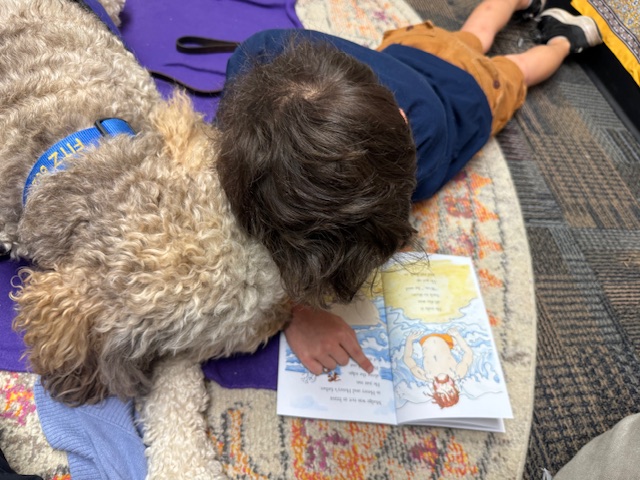
A therapy dog’s health and hygiene are crucial for the safety and comfort of the people they visit. Regular veterinary check-ups, up-to-date vaccinations, and consistent grooming ensure your dog is ready to work in various environments. This also helps stay ahead of any conditions that could cause your dog discomfort or distress that would impact their enjoyment of their work.
Why It’s Worth It
Now you know what makes a good therapy dog, but why should you get registered and volunteer with them?
Volunteering with your dog is a rewarding way to give back to your community while strengthening the bond with your pet! You’ll not only help bring comfort and healing to others but also witness the unique power of the human-animal connection firsthand.
We’ve seen countless lives transformed by the gentle presence of therapy dogs. If you think your dog could be a good fit, we encourage you to explore this incredible opportunity to spread love and compassion.